
Sea Sponge
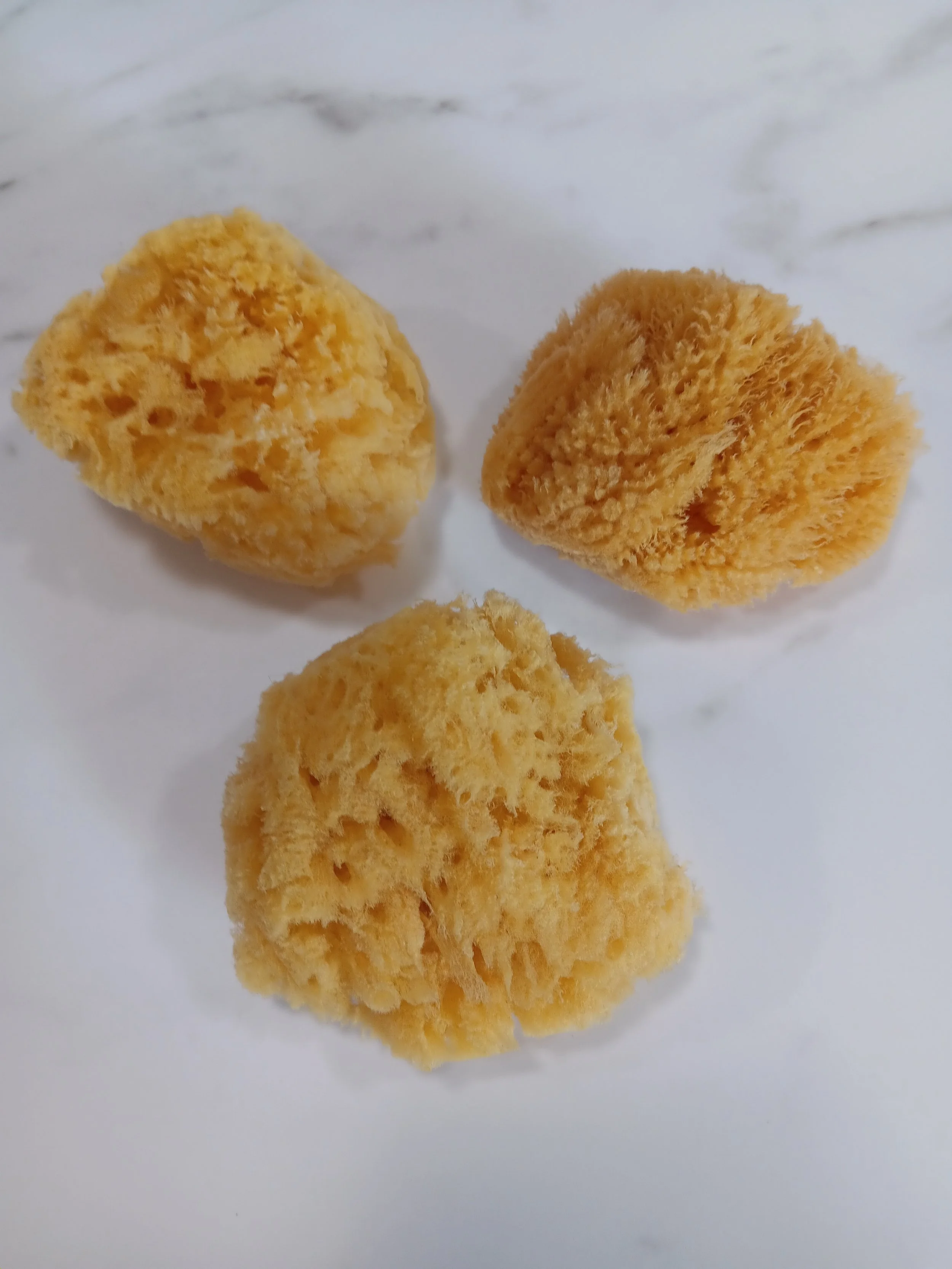
Sea Sponge
Sea sponges offer a range of benefits for personal care, household use, and environmental sustainability. Below are key advantages and practical considerations for using natural sea sponges.
Personal care benefits
Gentle exfoliation: Natural sea sponges have a soft, porous texture that removes dead skin cells without excessive abrasion, making them suitable for sensitive skin and daily use.
Natural antimicrobial properties: Many sea sponges contain enzymes and minerals that can inhibit bacterial growth, reducing odor and contamination risk compared with some synthetic sponges.
Excellent lather and water retention: Sea sponges absorb and hold water and soap well, producing rich lather with less product, which can save on cleansers and soaps.
Hypoallergenic and chemical-free: Wild-harvested sea sponges are free from synthetic fibers, plastics, and many chemical additives found in manufactured sponges, lowering the chance of irritation or allergic reaction.
Longevity: High-quality natural sponges are durable and can last significantly longer than many disposable synthetic sponges when cared for properly.
Biodegradable: At the end of their life, natural sponges decompose without contributing microplastics to the environment.
Household and cleaning benefits
Effective cleaning texture: The porous structure lifts dirt and debris gently from surfaces, making sea sponges useful for delicate household tasks like cleaning glass, cars, and fine ceramics.
Absorbency: Their high absorbency makes them useful for mopping up spills and applying or removing cleaning solutions efficiently.
Reduced product use: Because they hold soap and water well, they can reduce the amount of cleaning product needed.
Sustainability and ethical considerations
Lower environmental impact vs. synthetic sponges: Natural sponges do not shed microplastics and biodegrade, lessening long-term pollution.
Care and safety tips
Rinse thoroughly after each use: Squeeze out excess water and rinse with fresh water to remove trapped debris and soap.
Air dry between uses: Store in a well-ventilated place to prevent mold and mildew growth.
Periodic cleaning: Disinfect occasionally by soaking in a dilute vinegar solution or a mild bleach solution (follow product-safe concentrations), then rinse thoroughly. Heat-based sterilization can damage some sponges.
Replace when degraded: Even durable natural sponges will eventually break down or develop odors; replace when the texture changes, tears appear, or a persistent smell remains. Typically with heavy use these should be replaced every 2-3 weeks, but can last as long as 2 months with lighter use and proper care.
Allergy caution: While many users find sea sponges hypoallergenic, people with severe marine or shellfish allergies should test cautiously.
Limitations
Not sterile: Unlike single-use products, sea sponges are not sterile—avoid use on open wounds or compromised skin without proper sanitation.